Established in 2026 to build something the Central Valley has never had: a research center that belongs to the communities it studies.
USEF’s research exists for one reason: to do community health research that benefits the communities it comes from.
Our work centers South Asian, Southwest Asian and North African (SSWANA) communities. These are families whose health needs are real and whose numbers are significant, and who remain among the most understudied populations in American health research. National datasets rarely describe them. Programs are rarely designed with them in mind. Findings rarely make their way back to them.
The Center was established in 2026 to change that, starting here in California’s Central Valley.
Alongside SSWANA families, our work includes Spanish-speaking families and African American, low-income urban and rural communities across Fresno, Madera, Tulare and Kings counties, in English, Spanish, Arabic, Dari, Pashto, Punjabi and Urdu/Hindi.
Each lab owns a field of its own. All of them work the same way.
Protecting a generation of Central Valley young people from tobacco, nicotine and other substance use, in their own language and in their own communities.
Working so that growing older in our community does not mean losing independence, strength or the ability to live on your own terms.
Keeping older adults on their feet, by bringing proven falls and fracture prevention out of the clinic and into the places our community already gathers.
Stopping preventable blindness. Diabetes is common in our community; a regular eye exam is not. This lab works to close that gap.
High blood pressure is common in our communities and counted almost nowhere. This lab measures it and then does something about it.
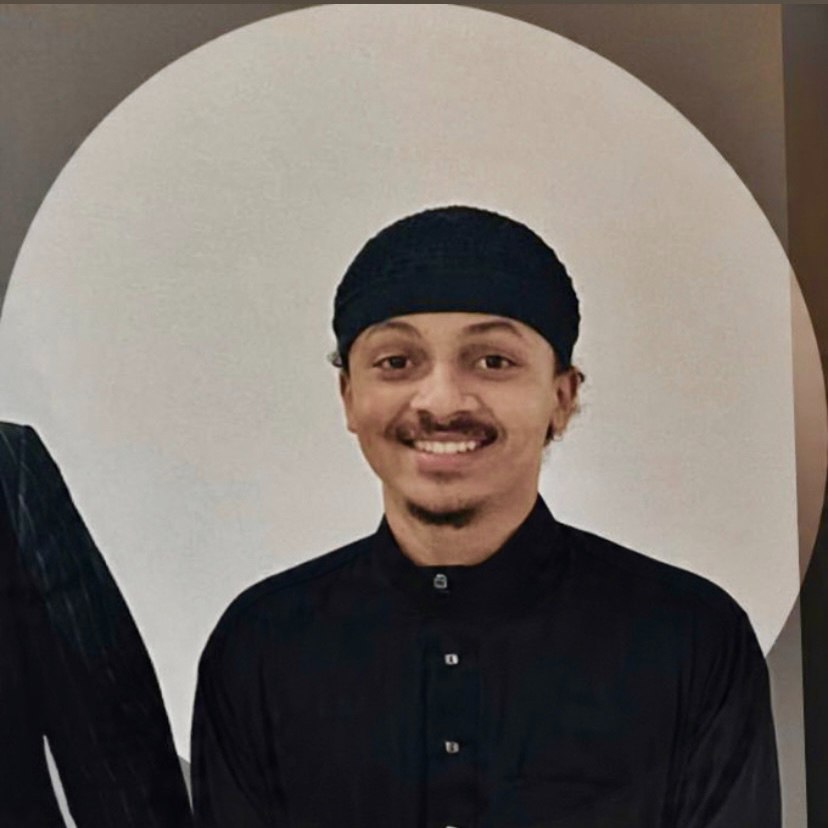
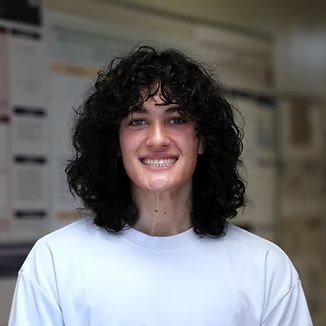
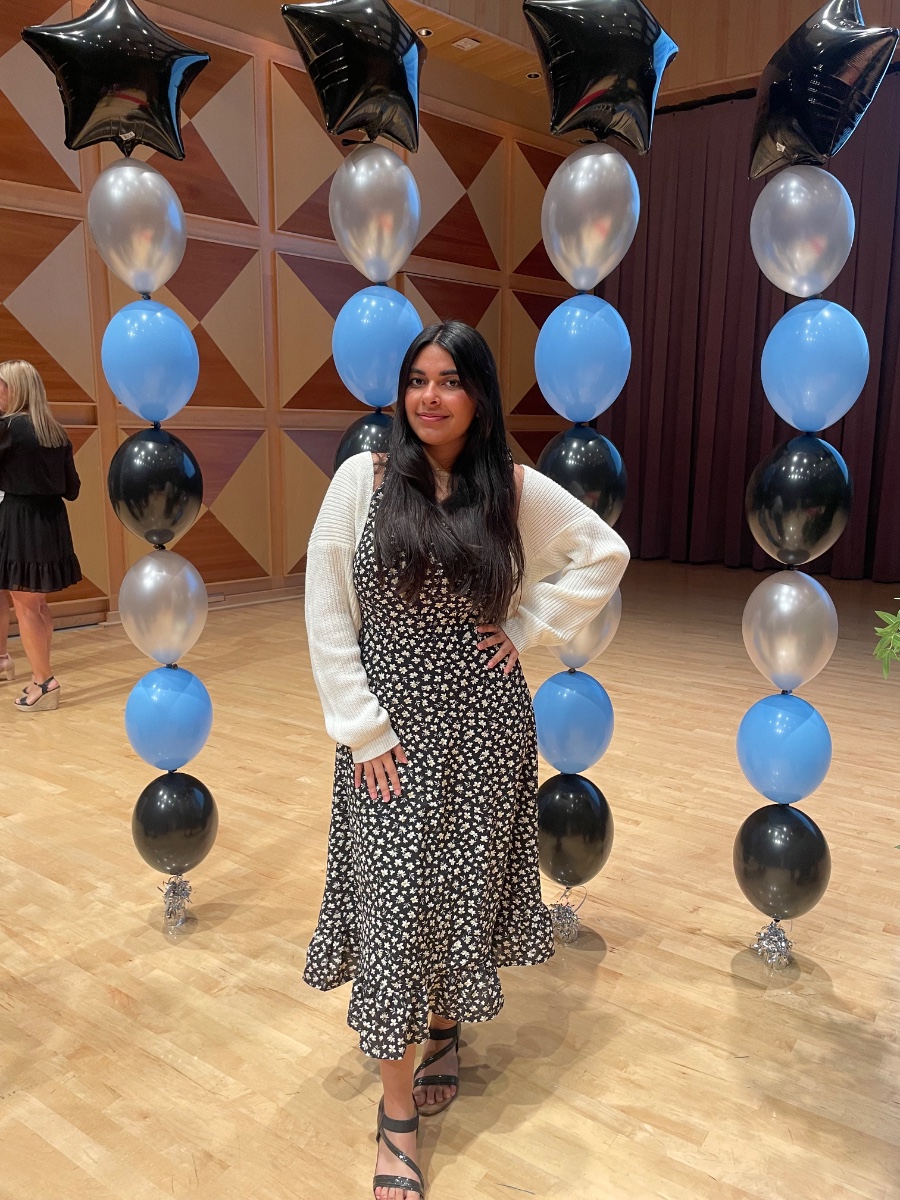
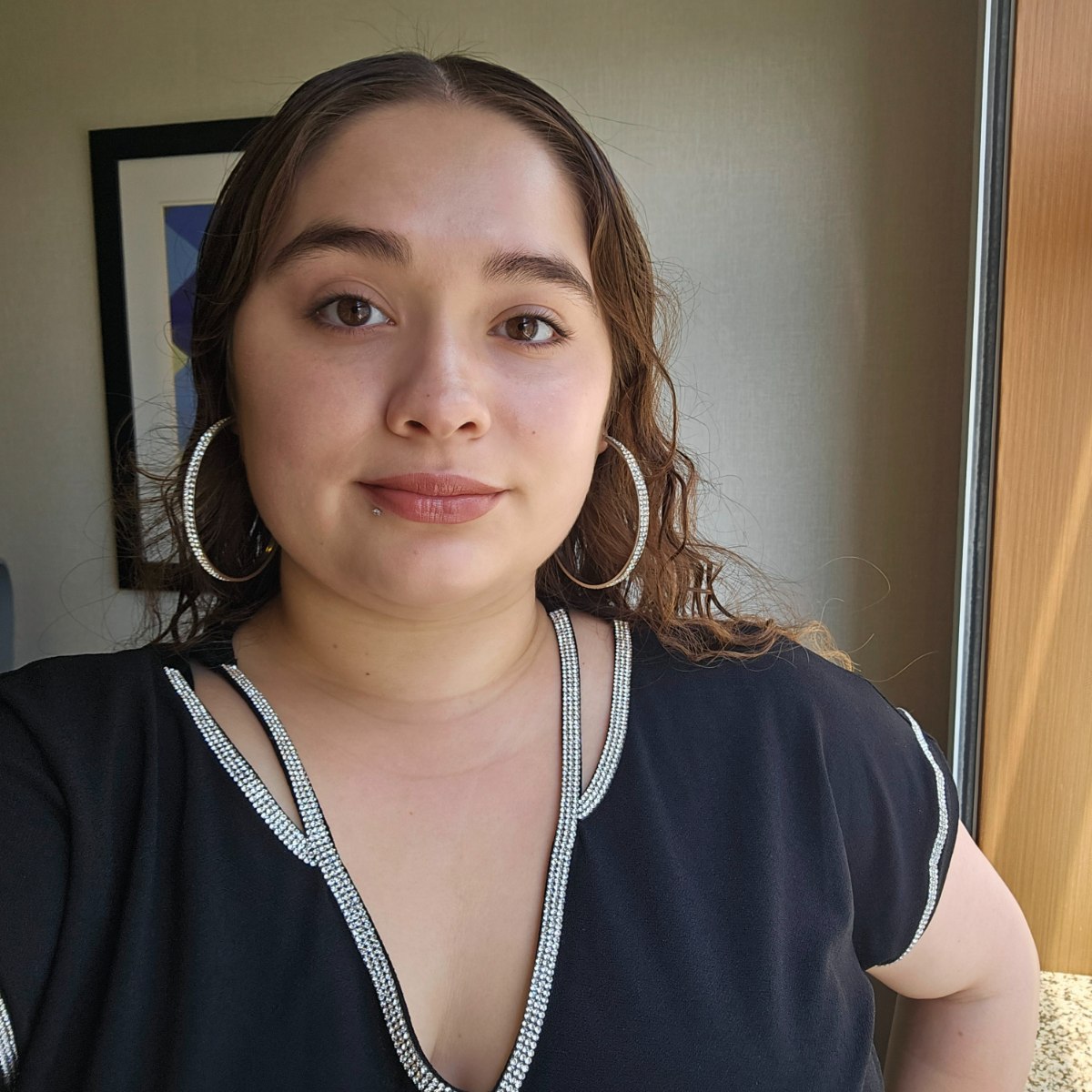
The researchers and lab directors behind the work across every lab.


Everyone the Center works with, across all our labs.
A community alliance and a community coalition help turn research into work shaped by the people it serves.
The questions are set together with the people concerned, and what we learn comes back to them.
We exist specifically to study communities that national research has left undescribed, and to make them visible in the evidence that shapes policy and practice.
USEF has served these families since 2021 through welfare, education and business programs. Research here begins with a relationship, not a recruitment flyer.
We work alongside university investigators and clinicians, and hold our work to the standard the field expects of it.
Students from these same communities do real research here, are supported while they do it, and are credited for what they contribute.
Each lab owns its own field. All of them share the same commitment to the communities the work is for.
Before any study uses an identifiable interview, an independent ethics board must approve it.
No one under 18 takes part, or is photographed, until a parent or guardian has signed.
Every consent form is reviewed by Nida Ali, our Operations and Grant Compliance Manager, or Mohammad Sheikh, our Chief Financial Officer, before it is used.
Our programs are open to all, without discrimination. Read our nondiscrimination policy
We work with funders whose priorities include health equity, community-partnered research, and populations conventional research misses. We are glad to speak to any of our labs and share what we are building.
We are actively seeking faculty investigators and clinician partners. What we bring is the community relationships, the trust and the reach that a research proposal is usually missing.
Undergraduate, graduate and medical students join a lab, take on real research, and are credited for what they contribute. No prior research experience is required.
Apply to join a lab